March 6, 2026
Reliable sewer services form the backbone of safe, functional communities, yet they are often overlooked until a problem arises. Behind every properly operating home, commercial building, and municipal facility is a complex network designed to transport and treat wastewater efficiently. When this system works as intended, it protects public health, preserves property values, and safeguards natural ecosystems. When it fails, the consequences can include costly property damage, environmental contamination, regulatory penalties, and serious health risks. Understanding how sewer systems function and why efficiency and cost-effectiveness matter is essential for property owners, managers, and municipalities alike.
1. Importance of Sewer Services
The sewer system plays a critical role in maintaining public health by safely removing waste from homes and businesses. This prevents the spread of diseases that can arise from improper waste management. Reliable sewer service ensures that communities have access to clean water and a sanitary environment. When sewer systems fail, the resulting contamination can lead to public health emergencies. As urban areas continue to expand, the demand for efficient sewer services rises, emphasizing their importance in public health strategies.
Sewer systems are vital for protecting natural resources, as they prevent pollutants from entering ecosystems. By properly treating wastewater before it is released into the environment, sewer services help maintain the health of waterways and biodiversity. With increasing awareness of environmental issues, there is a greater emphasis on the development of sewer solutions that minimize ecological impact. Innovative systems are designed to be eco-friendly, reducing the release of harmful substances. The commitment to environmental protection through efficient sewer systems underscores their importance in sustainable development.
Efficient sewer systems support economic stability by providing essential infrastructure for businesses and residential areas. They contribute to property values by ensuring a functional waste management system, which is a fundamental amenity. According to IBISWORLD, industry revenue has been expanding at a CAGR of 3.2% over the past five years to total an estimated $169.8 billion in 2025, including an estimated increase of 2.0% in 2025. This growth reflects the increasing investment in sewer infrastructure as a driver for economic development. Furthermore, effective sewer services reduce costs associated with damages from system failures, benefiting the economy by averting potential losses.
2. Common Sewer System Challenges
Many sewer systems across the globe face the issue of aging infrastructure. As pipes and facilities deteriorate over time, the risk of failures and inefficiencies increases. Aging infrastructure can lead to frequent blockages and system breakdowns, disrupting services and leading to costly repairs. Investment in infrastructure renewal is crucial to address these challenges and ensure reliable service. Modernizing outdated systems is a priority for maintaining the integrity and functionality of sewer services.
Blockages and overflows are common problems in sewer systems, often caused by the accumulation of debris or root intrusion. These issues can compromise the flow of wastewater and result in environmental contamination. Regular maintenance is essential to prevent blockages and ensure the system operates smoothly. Advanced monitoring techniques can help detect potential problems before they lead to overflows. Addressing these issues promptly is critical for maintaining system efficiency and protecting the environment.
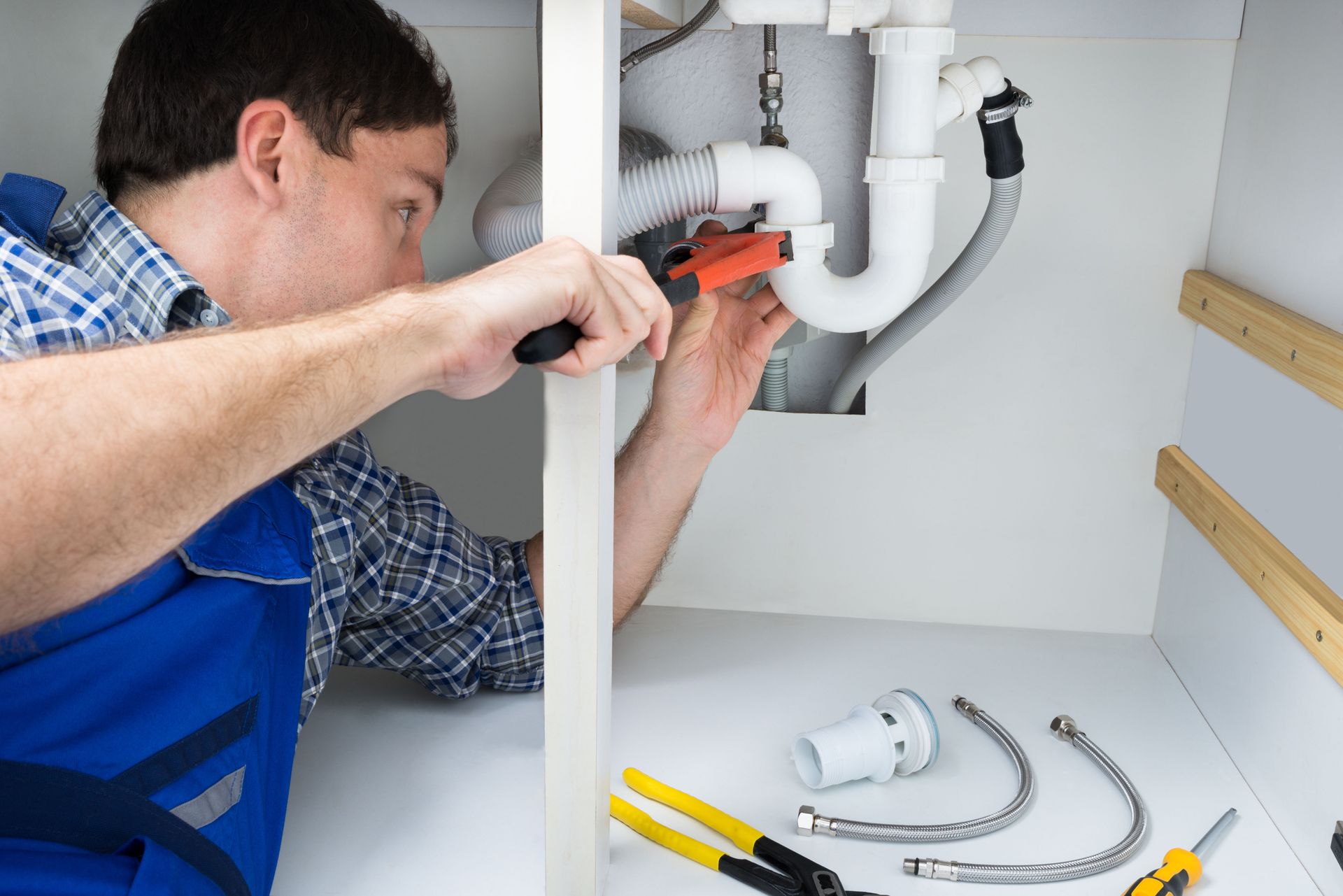
The cost of maintaining sewer systems can be high, especially with older infrastructures requiring frequent repairs. Routine inspections, cleanings, and repairs are necessary to keep the system functioning efficiently. Investing in preventative maintenance can help mitigate these costs and extend the lifespan of sewer infrastructure. Innovative solutions that reduce maintenance needs are becoming increasingly popular for cost-efficiency. Proper budgeting and resource allocation are vital to managing the ongoing expenses of sewer system maintenance.
3. Assessing Your Sewer Service Needs
The first step in assessing sewer service needs is to evaluate the existing infrastructure. Identifying the strengths and weaknesses of current systems provides a clear understanding of where improvements are needed. Regular assessments help determine the condition of pipes, treatment facilities, and other components. Accurate evaluation is essential for planning upgrades and budgeting for necessary expenses. Comprehensive assessments ensure that the infrastructure can meet current demands and adapt to future changes.
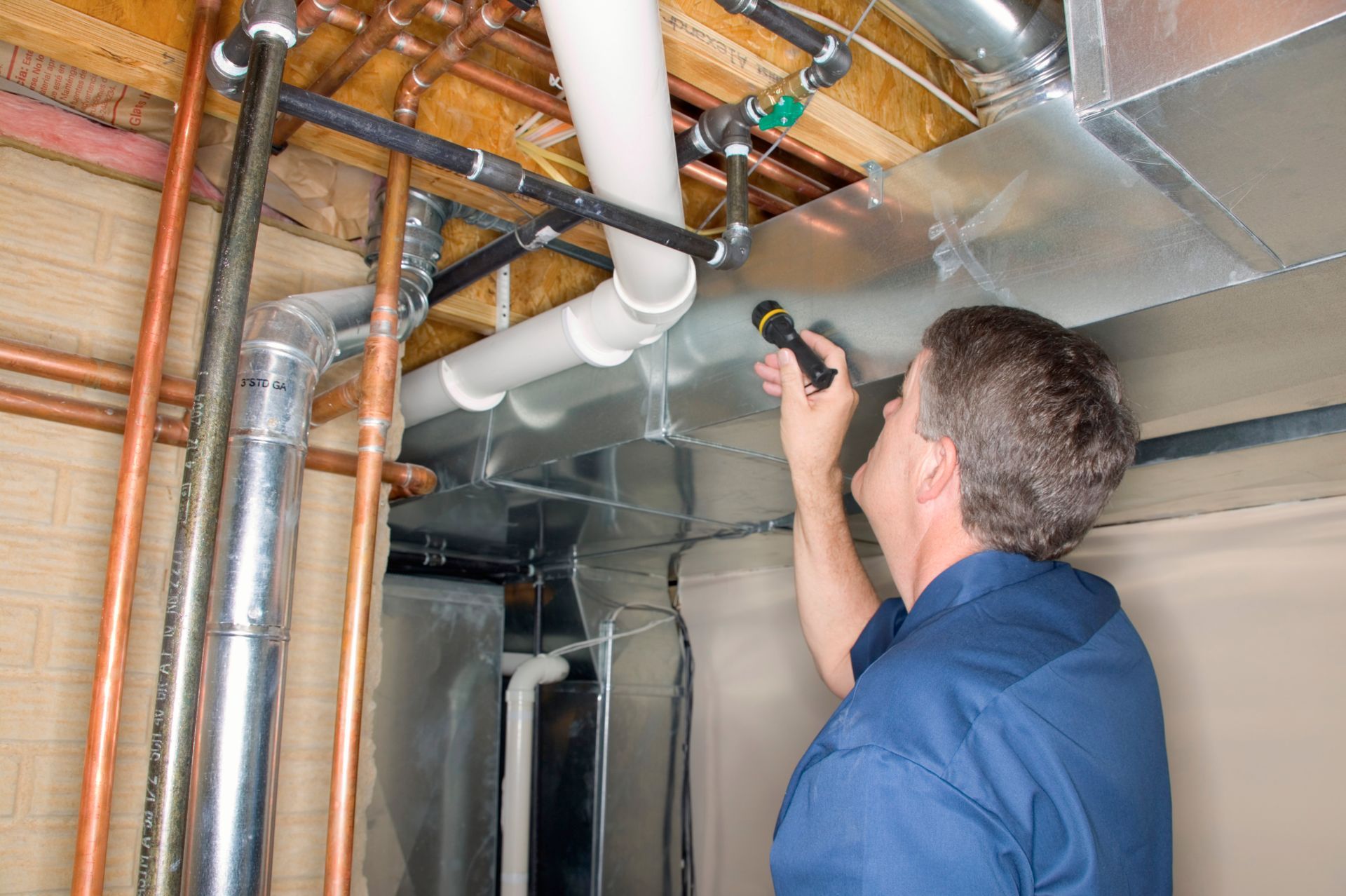
Identifying potential issues before they escalate is crucial for maintaining effective sewer systems. This involves monitoring for signs of wear, leaks, or blockages that could disrupt operations. Proactive identification allows for timely intervention and reduces the risk of major failures. Advanced diagnostic tools and regular inspections are valuable in detecting problems early. By focusing on potential issues, property managers can prevent costly repairs and service interruptions.
Understanding local regulations is vital for ensuring compliance and efficient operation of sewer service. Regulations dictate the standards for wastewater management, treatment processes, and environmental impact. Familiarity with these standards is necessary for aligning practices with legal requirements and avoiding fines. Collaboration with legal experts can be beneficial in navigating complex regulatory landscapes. Staying informed about changes in regulations helps property owners and managers maintain compliance and operating licenses.
4. Innovative Solutions for Efficiency
Integrating smart technology into sewer systems is revolutionizing efficiency and monitoring. Advanced sensors and analytics allow real-time tracking of system performance and early detection of issues. This proactive approach reduces downtime and maintenance costs by addressing problems before they worsen. Smart technology also enhances data collection, providing insights for continual improvement of services. Embracing these innovations maximizes the operational efficiency and reliability of sewer systems.
Trenchless technology is a game-changer in sewer system maintenance, offering a less invasive method of repair. Techniques like pipe relining and pipe bursting replace or renew pipes without significant excavation. This reduces disruption to properties and communities, making repairs faster and more cost-effective. Trenchless solutions are particularly advantageous in urban areas where space and access are limited. The adoption of trenchless technology in sewer services highlights the industry's commitment to innovative problem-solving.
Eco-friendly systems are increasingly being developed to minimize the environmental impact of sewer services. These systems focus on reducing pollution and conserving resources through sustainable practices. Innovations such as energy recovery, water recycling, and reduced chemical usage are key components of eco-friendly sewer solutions. By aligning with environmental goals, these systems contribute to the global efforts in combating climate change. The commitment to eco-friendly practices is essential for the future of sustainable sewer service.
5. Cost-Efficiency Strategies
Implementing preventative maintenance plans is crucial for minimizing unexpected repairs and service interruptions. These plans involve regular inspections and maintenance routines to keep the sewer system in optimal condition. By identifying potential problems early, preventative maintenance can reduce long-term costs significantly. Property managers who invest in these plans benefit from increased system reliability and reduced emergency repair expenses. Preventative strategies form the foundation of cost-efficient sewer service management.
Bulk service discounts provide an opportunity for cost savings in sewer services through economies of scale. By grouping service requirements, property managers and municipalities can negotiate better rates with service providers. This approach is particularly beneficial for large-scale projects or communities looking to upgrade their infrastructure simultaneously. Bulk discounts encourage collaborative investments in system improvements, distributing costs among multiple parties. Leveraging bulk service opportunities can significantly lower the financial burden on individual property owners.
Efficient resource allocation ensures that investments in sewer services yield the best possible outcomes. This requires careful planning and prioritization of repairs, upgrades, and maintenance activities. Utilizing data analytics and predictive modeling helps identify areas that need urgent attention, optimizing the use of resources. Strategic allocation leads to effective problem resolution and the reduction of unnecessary expenditures. Ensuring that resources are used wisely is key to enhancing the cost-efficiency of sewer services.
Effective sewer service is essential to maintaining public health, environmental integrity, and economic stability. From addressing aging infrastructure and common system challenges to adopting innovative technologies and cost-efficiency strategies, proactive management plays a crucial role in long-term performance. By regularly assessing system needs, complying with regulations, and investing in preventative solutions, property owners and municipalities can reduce risks, control expenses, and ensure reliable service. A forward-thinking approach to sewer management not only prevents disruptions but also strengthens the overall resilience and sustainability of the communities that depend on it. For more information about the services that we offer, reach out to our incredible team at MPD Plumbing & Heating LLC today!